
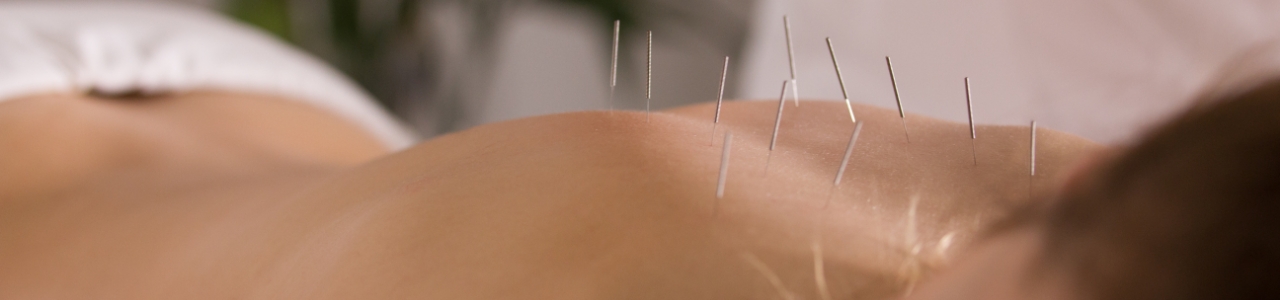
Dry needling is a safe and effective method of treatment performed by a licensed physical therapist that works to reduce pain and muscle tension, while simultaneously improving mobility. It has been proven to treat numerous musculoskeletal issues, including acute and chronic injuries, overuse injuries, neck pain, headaches, back pain, sciatica, muscle spasms, muscle strains, tendinitis, knee pain, hip pain, fibromyalgia, tennis elbow, golfer’s elbow, and more.
If you are in Novi, MI, Lathrup Village, MI or Farmington Hills, MI dealing with one of these conditions and you’re looking for relief, or if you’d like to gain more information on how dry needling could benefit you, contact Expert Physical Therapy today!
What exactly is dry needling?
This treatment method is used by our licensed physical therapist as a way to relieve pain. When performing dry needling, our physical therapist will insert a sterile acupuncture needle through the skin, into the underlying tendons, ligaments, or muscles that have been affected, in order to relieve pain, decrease muscle tension, and improve mobility.
While it is a common misconception, dry needling is not acupuncture. It is based on a modern scientific study of musculoskeletal and neuromuscular systems. While there are some similarities, dry needling is strictly based on Western medicine principles and research. It provides an environment that enhances the body’s ability to heal, ultimately reducing pain in the process.
Does it hurt?
Most of our patients report feeling little to no discomfort when undergoing dry needling treatments. Our highly-trained physical therapists know how to make the process as painless as possible; however, some patients may still experience a “twitch response” with the insertion of the needle. This is comparable to a quick muscle cramp or ache. The 24-48 hours following a dry needling treatment may also result in muscle soreness, which should go away on its own. Sore muscles can be treated at home by applying ice and/or heat packs and drinking plenty of fluids.
Will dry needling benefit me?
There are a large variety of musculoskeletal issues that can be treated with dry needling. When paired with our traditional exercise-based physical therapy treatments and advanced manual therapy techniques, we have found that the vast majority of our patients achieved the pain-free goals they were aiming towards.
After conducting a comprehensive evaluation to assess the nature of your condition, our physical therapists will let you know if dry needling is the best course of treatment for you. We have used dry needling to treat several diverse conditions, from chronic pain sufferers to athletes experiencing delayed onset muscle soreness.
Dry needling can speed up recovery time and allow you to return to your daily life as quickly as possible.
If you are interested in our dry needling services, don’t hesitate to contact physical therapy clinic today to schedule a consultation in Novi, MI, Lathrup Village, MI or Farmington Hills, MI.
Request an appointment today
Dry needling can speed up recovery time and allow you to return to your daily life as quickly as possible. If you are interested in our dry needling services, don’t hesitate to request an appointment today to speak with one of our dedicated physical therapists. We’ll get you started on the path toward recovery!
Dry Needling FAQs
What happens during a typical dry needling session?
Before treatment begins, your physical therapist will explain the procedure, review potential benefits and risks, answer your questions, and identify the areas they plan to address. We’ll then help you get into a comfortable position that allows our PT to safely access the targeted areas, where they will insert thin, sterile, single-use needles into selected tissues based on your examination findings. The therapist may leave a needle in place briefly or manipulate it depending on the technique being used. Afterward, your therapist may guide you through exercise or other physical therapy techniques as part of your treatment plan.
How many dry needling sessions will I need?
There is no standard number of dry needling sessions that works for everyone. Your treatment frequency depends on factors such as your condition, symptom severity, treatment goals, response to dry needling, and overall rehabilitation plan. Your physical therapist will monitor changes in pain, mobility, strength, and function to determine whether continued dry needling is appropriate. Dry needling is generally used as one component of care rather than as a stand-alone treatment.
How does a physical therapist decide where to place the needles during dry needling?
Dry needling does not simply involve placing needles wherever you feel pain. First, we assess your symptoms, movement, strength, mobility, and the tissues that may be contributing to your problem. We may also examine how nearby muscles and joints are functioning. Based on these findings, we’ll identify specific muscles or other appropriate tissues to target–which, depending on your symptoms, examination findings, and treatment goals, may not be the actual location of your discomfort. This means needle placement can vary from person to person, even when two patients have pain in the same general area.
Is dry needling safe for everyone?
Dry needling is appropriate for many patients, but not for everyone. Before recommending treatment, your physical therapist will review relevant health history and potential precautions or contraindications. Certain medical conditions, medications, pregnancy, skin conditions, infections, or other health factors may affect whether dry needling is appropriate or where it can be performed safely. Always tell your therapist about your medications and health conditions before treatment.
Does dry needling hurt?
Some feel little discomfort, while others notice a brief pinch, ache, twitch, or cramping sensation. Temporary soreness afterward can occur, and patients should tell the therapist if they are uncomfortable during treatment.
Do I need to do anything to prepare for dry needling?
Wear comfortable clothing that allows your physical therapist to access the area being treated. It is also important to provide an accurate medical history and let your therapist know about medications, recent procedures, skin problems, infections, pregnancy, or other health concerns. Your therapist can explain what to expect before beginning treatment and answer any questions you have about the procedure.
Why is dry needling often combined with exercise and other physical therapy treatments?
Dry needling may help address pain, muscle tension, or movement restrictions, but these symptoms can be only one part of the problem. Therapeutic exercise, mobility work, strengthening, movement retraining, and other physical therapy techniques can address factors that affect how you move and function. Combining treatments allows your physical therapist to work toward both short-term symptom improvement and longer-term functional goals based on your individual needs.
Your Next Steps…
Request An Appointment
Receive A Custom Treatment Plan
Work Hard and Progress In Your Recovery
Recover & Enjoy Life Pain-Free!